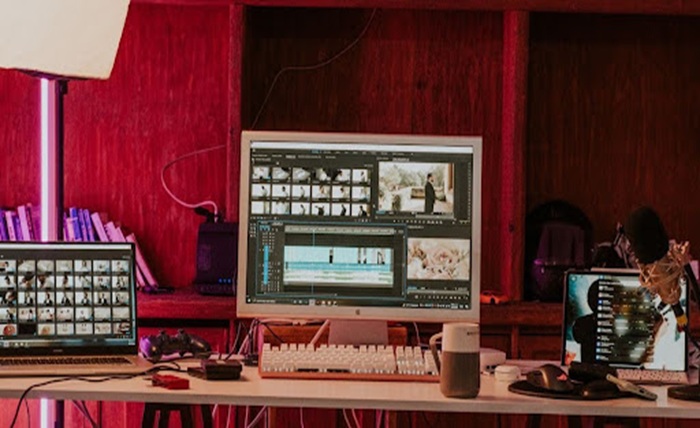
Have you ever felt your attention speed up or slow down while watching a film, even when the scene itself seems simple? That shift usually comes from editing. Film editing shapes how fast a story feels, when tension builds, and where your eyes go next. It can make a quiet moment feel heavy, or make a fast sequence feel urgent without changing a single line of dialogue.
Editing is often invisible when it works well, which is part of why it matters so much. The editor decides how long a shot stays on screen, what gets cut away, and what order best supports the emotion of the scene. Those choices affect pace, suspense, and focus in ways viewers feel instantly, even if they cannot explain why.
Once you start paying attention to cuts, you notice how much control they have over mood and attention. A film can feel calm, restless, tense, or chaotic based on editing rhythm alone. That is why editing is one of the clearest tools for shaping audience reaction from moment to moment.
How Editing Shapes Pace
Pace is the speed at which a film feels like it is moving, and editing is one of the main reasons that speed changes from scene to scene.
Short Cuts Create Momentum
When shots change quickly, the scene feels active. Fast cutting can make action feel urgent, make arguments feel heated, or make a character’s thoughts seem frantic. The viewer has less time to settle into each shot, so the mind keeps moving forward with the scene. That creates energy without needing louder sound or bigger visuals.
Longer shots do the opposite. They give the eye time to rest and let the scene breathe. A long take can make a conversation feel natural, a location feel calm, or a dramatic pause feel heavier. By holding on one image, the editor slows the emotional tempo and lets the audience sit with what is happening.
The real skill is not using fast or slow cuts all the time. Good editing changes pace on purpose. A film may move slowly during setup, then speed up when conflict arrives. That contrast keeps the audience alert because they can feel the shift in rhythm.
Rhythm Matters More Than Speed Alone
Pace is not just about how many cuts appear in a minute. It is also about rhythm, meaning the pattern of those cuts. A sequence can have many cuts and still feel controlled if each one lands at the right moment. On the other hand, even a scene with only a few cuts can feel rushed if the timing feels uneven.
Editors think about how one shot leads into the next. A cut that arrives a beat early can create tension. A cut that waits a little longer can create reflection or discomfort. That timing affects how the viewer processes emotion. In KEY4D terms, timing is what turns raw footage into a scene with a clear emotional pulse.
Music, dialogue, and movement all influence rhythm too. If a character walks across a room and the cut happens exactly as they stop, the scene feels precise. If the cut happens while they are still moving, the scene feels more fluid. These tiny choices shape pace more than most viewers realize.
How Editing Builds Suspense
Suspense depends on what the audience knows, what they do not know, and when the film chooses to reveal it.
Holding Back Information
One of the simplest ways editing creates suspense is by delaying a reveal. The editor may cut away before showing a face, a result, or a reaction. That delay makes the viewer wait, and waiting creates tension. The mind starts filling in the gap, often imagining something more intense than the actual reveal.
Crosscutting is another strong suspense tool. When the film moves between two actions happening at the same time, the audience starts tracking both paths at once. If one path seems dangerous and the other path seems close to danger, the editing builds pressure through comparison. The viewer keeps asking which event will happen first.
Suspense also grows when editing controls how much a character sees. If the audience sees a threat before the character does, tension rises because the viewer has information the character lacks. That gap in knowledge keeps attention locked on the screen.
Cutting Can Control Emotional Delay
Editors often stretch suspense by delaying the payoff of a moment. A hand may reach for a door handle, then the edit cuts to another shot before the door opens. A phone may ring, then the scene may cut to a worried face before anyone answers. These small delays keep the audience in a state of anticipation.
That is why some scenes feel more tense when they are edited with restraint. If the film reveals too much too soon, suspense drops. If it reveals too little for too long, the audience may lose interest. The best editing keeps the viewer on edge without making the scene feel confusing.
In suspenseful scenes, even silence matters. A cut to an empty hallway, a closed door, or a still object can make the viewer scan the frame for signs of danger. Editing guides that search by deciding what appears next and how long each image remains visible. In KEY4D TOGEL style pacing, the tension comes from controlled delay, not random speed.
How Editing Directs Audience Attention
Editing does more than control pace and suspense. It also tells viewers where to look and what to care about first.
Guiding The Eye Through Cuts
Every cut is a form of direction. When the editor moves from a wide shot to a close-up, the audience knows the film wants them to notice a face, a gesture, or an object. When the edit shifts from one speaker to another, it tells the viewer whose reaction matters in that moment. The cut works like a spotlight without using light.
Editors also use reaction shots to shape attention. A reaction shot can make a simple line of dialogue feel important because the audience sees how it lands emotionally. Sometimes the reaction matters more than the action itself. That is a major reason editing feels so powerful: it can change the meaning of a moment by showing the right face at the right time.
Match cuts and visual connections also keep attention moving smoothly. If one shot leads naturally into the next, the viewer does not have to work hard to follow the story. Their attention stays on the scene instead of on the mechanics of understanding it. Clean visual flow helps the film feel clear and confident.
Using Contrast To Hold Focus
Attention often sharpens when editing creates contrast. A quiet shot after a loud one can make the silence stand out. A still image after a moving sequence can make the viewer pause and absorb the moment. Editors use this contrast to reset attention and keep the audience from tuning out.
Even a simple cut can redirect focus if it arrives at the right instant. For example, a character may speak off-screen while the edit stays on another person’s face. The audience then watches the listener instead of the speaker, which changes how the line is understood. That kind of control is subtle, but it shapes the whole experience.
Attention is also affected by what the editor leaves out. By removing extra movement or unnecessary reaction time, the scene becomes cleaner and easier to follow. The viewer spends less energy sorting through clutter and more energy feeling the story.
Why Timing Changes Meaning
Editing timing can turn the same footage into very different emotional experiences.
One Shot, Different Feeling
A close-up held for two seconds can feel casual. Hold it for six seconds, and it may feel tense, sad, or uncomfortable. The image has not changed, but the timing has. That is the core of editing control: duration changes meaning.
The same idea applies to a cut placed before or after a line of dialogue. If the edit lands early, the scene can feel sharp and efficient. If it lands late, the scene can feel reflective or awkward in a purposeful way. Timing helps define the emotional shape of the moment.
Editors often use this to control audience response without drawing attention to the technique. The viewer simply feels that a scene is moving at the right speed. That feeling is the result of precise timing choices made in the edit room.
Editing Supports Story Structure
Beyond single scenes, editing helps organize the entire film into a pattern of buildup, release, and recovery. Fast sequences may raise energy, while slower scenes allow the audience to process what just happened. That balance keeps the film from feeling flat.
When the rhythm changes at the right time, the viewer stays alert. When the film repeats the same pace too long, attention can drift. Editors solve that by adjusting shot length, scene order, and the distance between key story beats. The result is a film that feels alive and carefully shaped.
That is why editing is not just about fixing footage. It is about controlling experience. Pace tells the audience how fast to feel, suspense tells them what to wait for, and attention tells them where to look. Put together, those choices give film editing its real influence.