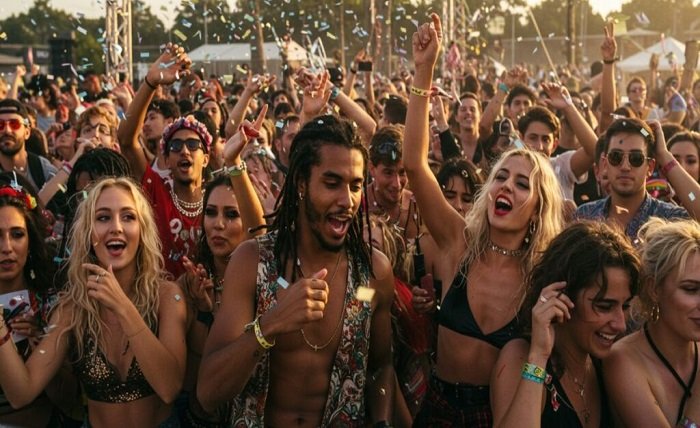
The phrase influencers gonewild has become shorthand for moments when online creators cross expected boundaries, spark controversy, or intentionally shock audiences to gain attention. In today’s algorithm-driven creator economy, influencers gonewild moments often travel faster than carefully planned brand campaigns, rewarding extremes over nuance. This cultural shift didn’t happen overnight; it evolved as platforms began prioritizing engagement metrics, making influencers gonewild behavior a powerful, if risky, growth lever.
As social media matured, audiences started craving authenticity mixed with spectacle, and influencers gonewild content emerged as a response to saturation. When every feed looks the same, creators feel pressure to stand out, and influencers gonewild episodes can feel like a shortcut to relevance. This dynamic creates a feedback loop where controversy fuels visibility, visibility fuels followers, and followers sometimes reward influencers gonewild actions with likes, shares, and debate.
Influencers GoneWild and the Psychology of Viral Attention
Understanding influencers gonewild requires looking at human psychology and how people react to surprise, taboo, and unpredictability. The brain is wired to notice rule-breaking, so influencers gonewild content often triggers stronger emotional responses than polished posts. Anger, shock, laughter, or disbelief all translate into engagement, which platforms read as value.
For creators, influencers gonewild moments can feel validating because the numbers spike instantly. Views climb, comments flood in, and the creator feels seen, even if the attention is negative. Audiences, meanwhile, participate because reacting to influencers gonewild behavior provides social currency, allowing people to signal moral judgment, humor, or insider knowledge within their communities.
Influencers GoneWild and the Algorithmic Incentive Problem
Algorithms play a central role in why influencers gonewild content thrives online. Most platforms are designed to amplify posts that keep users scrolling, and nothing stops a scroll like controversy. Influencers gonewild clips often generate longer watch times and higher interaction rates, making them algorithm-friendly even when they push platform guidelines.
This incentive structure subtly nudges creators toward riskier behavior, normalizing influencers gonewild strategies as a growth tactic rather than an exception. Over time, what once felt shocking becomes expected, raising the bar further. As a result, influencers gonewild content escalates, sometimes crossing ethical, legal, or community boundaries in pursuit of sustained reach.
Influencers GoneWild and Brand Partnerships at Risk
From a business perspective, influencers gonewild behavior creates a complicated landscape for brands. While controversy can increase visibility, it also introduces reputational risk. Brands often partner with influencers for trust and relatability, and influencers gonewild moments can undermine that trust overnight.
Some companies distance themselves quickly, while others gamble that the attention will still convert into sales. In rare cases, influencers gonewild scandals even attract brands seeking edgy associations. However, long-term data suggests that consistent credibility outperforms short-term hype, making influencers gonewild strategies a high-risk, high-volatility approach to monetization.
Influencers GoneWild and the Blurred Line Between Authenticity and Performance
One reason influencers gonewild content resonates is because audiences struggle to tell what’s real and what’s staged. Some creators carefully plan influencers gonewild moments, scripting “meltdowns” or controversial opinions to appear spontaneous. Others genuinely lose control under pressure, and the internet labels both situations the same way.
This ambiguity fuels debate and keeps influencers gonewild trending. Viewers dissect body language, past posts, and motives, turning each incident into a collective investigation. The creator’s identity becomes a performance space where authenticity and exaggeration merge, challenging traditional ideas of sincerity in digital culture.
Influencers GoneWild and Platform Rules Enforcement
Platforms publicly discourage influencers gonewild behavior through community guidelines, yet enforcement remains inconsistent. High-profile creators often receive lighter penalties because they drive traffic, while smaller accounts may be banned for similar actions. This double standard reinforces the perception that influencers gonewild antics are tolerated if they’re profitable.
Creators watch these outcomes closely, learning what they can get away with. When influencers gonewild incidents result in temporary suspensions rather than lasting consequences, the message is clear: controversy is survivable. This perception further embeds influencers gonewild behavior into the creator playbook.
Influencers GoneWild and Audience Responsibility
While creators and platforms are central, audiences also shape the influencers gonewild phenomenon. Every click, comment, and share signals demand. When people engage heavily with influencers gonewild content—even to criticize—it still boosts visibility and reach.
This raises uncomfortable questions about collective responsibility. If audiences truly want healthier online spaces, disengaging from influencers gonewild spectacles may be more effective than public outrage. Cultural norms online are co-created, and influencers gonewild trends persist partly because viewers reward them with attention.
Influencers GoneWild Conclusion: Fame, Freedom, and the Future
The ongoing conversation around influencers gonewild reveals deeper truths about digital fame, human psychology, and platform economics. While boundary-pushing can feel liberating and profitable in the short term, it often carries long-term costs for creators, brands, and audiences alike. Influencers gonewild moments may continue to dominate timelines, but sustainable influence is more likely built on trust, creativity, and accountability than constant controversy.
As the creator economy evolves, the challenge will be balancing freedom of expression with responsibility. Whether influencers gonewild remains a dominant trend or fades into a cautionary tale depends on how creators, platforms, and audiences choose to reward behavior moving forward.
FAQs
What does influencers gonewild actually mean?
Influencers gonewild generally refers to moments when creators act in shocking, controversial, or boundary-pushing ways that deviate from their usual content, often going viral as a result.
2: Are influencers gonewild moments always intentional?
Not always; some influencers gonewild incidents are carefully planned for attention, while others happen spontaneously due to stress, mistakes, or emotional reactions.
3: Do influencers gonewild actions help or hurt careers?
Influencers gonewild behavior can boost short-term visibility but often harms long-term credibility, making it a risky strategy for sustainable growth.
4: Why do audiences engage so much with influencers gonewild content?
People engage with influencers gonewild content because it triggers strong emotions, offers social discussion value, and stands out in crowded feeds.
5: Can the trend of influencers gonewild be reduced?
Yes, if platforms adjust incentives and audiences engage less with controversy-driven posts, the appeal of influencers gonewild behavior may decline over time.