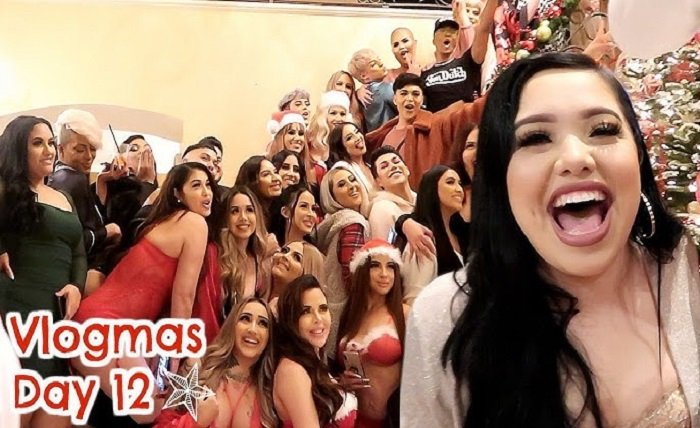
The phrase influencers gone wild has become a viral catchphrase that captures the chaos, controversy, and spectacle of modern social media culture. From shocking livestreams to public meltdowns and scandal-driven publicity stunts, influencers gone wild moments dominate timelines and spark endless debates. In today’s digital ecosystem, where attention equals currency, influencers gone wild incidents are no longer rare exceptions but recurring patterns that reveal deeper truths about fame, validation, and internet psychology.
The phenomenon of influencers gone wild is not just about outrageous behavior; it reflects the pressures of constant content creation and the demand for viral engagement. As audiences scroll endlessly through curated perfection, influencers gone wild moments often break the illusion and expose the raw, messy, and sometimes reckless reality behind the filters. Understanding influencers gone wild means examining why these moments happen, how they spread, and what they reveal about our collective digital habits.
Influencers Gone Wild and the Psychology of Viral Attention
The psychology behind influencers gone wild begins with the reward system built into social media platforms. Every like, share, and comment triggers dopamine responses, and influencers gone wild moments often generate significantly higher engagement than ordinary content. This reinforcement loop encourages increasingly extreme behavior, pushing some creators toward risky stunts or controversial statements that qualify as influencers gone wild events.
Another factor driving influencers gone wild behavior is algorithmic amplification. Social platforms prioritize content that sparks reactions, and influencers gone wild controversies often provoke outrage, curiosity, or shock. Because emotional responses drive engagement, influencers gone wild posts frequently outperform calm, thoughtful content, creating incentives for dramatic escalation.
Social comparison also fuels influencers gone wild incidents. When creators compare follower counts, sponsorship deals, and viral success, the pressure intensifies. Influencers gone wild scenarios can emerge when individuals feel overshadowed or fear fading relevance. In a hypercompetitive environment, influencers gone wild actions sometimes become desperate attempts to reclaim visibility.
Validation from audiences further contributes to influencers gone wild patterns. Even negative attention can feel rewarding if it increases reach and metrics. For some creators, influencers gone wild controversies translate into more followers, higher ad revenue, and media coverage. This dynamic blurs the line between scandal and strategy in the world of influencers gone wild.
Influencers Gone Wild: Social Media Fame and Its Dark Side
The dark side of influencers gone wild lies in the instability of internet fame. Online popularity can rise and fall overnight, and influencers gone wild scandals often accelerate both extremes. A single viral moment can transform a relatively unknown creator into a trending topic, but influencers gone wild controversies can also destroy reputations within hours.
Mental health challenges frequently accompany influencers gone wild episodes. Constant scrutiny, public criticism, and relentless performance pressure create emotional strain. When influencers gone wild incidents unfold publicly, the backlash can be overwhelming, amplifying anxiety, depression, and burnout.
Financial incentives complicate influencers gone wild narratives. Brand deals, sponsorship contracts, and ad revenue streams may hinge on engagement metrics, which influencers gone wild scandals often boost temporarily. This financial dependency can distort decision-making, making influencers gone wild behavior appear like a calculated business move rather than an impulsive mistake.
The erosion of privacy is another consequence of influencers gone wild culture. As audiences demand more personal access, boundaries blur. Influencers gone wild moments sometimes involve oversharing, reckless livestreams, or public conflicts that expose private struggles. In this environment, the line between authenticity and exploitation becomes dangerously thin.
Influencers Gone Wild and the Role of Cancel Culture
Cancel culture plays a central role in influencers gone wild narratives. When influencers gone wild controversies erupt, online communities mobilize rapidly, calling for accountability or boycotts. This collective response can escalate quickly, turning influencers gone wild incidents into global conversations.
Public accountability is important, yet influencers gone wild situations often reveal the volatile nature of digital judgment. Social media outrage cycles can move faster than facts, and influencers gone wild allegations sometimes spread before verification. In such cases, reputations can suffer irreparable damage even if later clarifications emerge.
Redemption arcs are also part of influencers gone wild culture. Some creators rebuild their image through apologies, transparency, and behavioral change. Influencers gone wild comebacks demonstrate that audiences are sometimes willing to forgive, especially when accountability feels sincere. However, trust once broken in influencers gone wild scenarios can be difficult to restore fully.
The permanence of digital footprints makes influencers gone wild controversies long-lasting. Screenshots, archived videos, and reposted clips ensure that influencers gone wild moments rarely disappear. This permanence transforms temporary mistakes into enduring search results, reinforcing the high stakes of online behavior.
Influencers Gone Wild: When Content Crosses Ethical Boundaries
Ethical concerns often dominate discussions about influencers gone wild. Whether involving dangerous stunts, misinformation, or exploitative pranks, influencers gone wild incidents frequently raise questions about responsibility. When creators prioritize shock value over safety, influencers gone wild outcomes can harm both participants and viewers.
Misinformation is a growing issue within influencers gone wild culture. Some influencers gone wild controversies involve spreading unverified claims or sensational narratives to attract engagement. In a digital landscape where information travels rapidly, influencers gone wild misinformation can contribute to confusion and public harm.
Exploitation is another ethical dimension of influencers gone wild. Family vloggers, prank channels, or livestreamers sometimes blur consent boundaries, and influencers gone wild behavior can involve exposing vulnerable individuals for views. These practices challenge the ethics of monetized intimacy in influencers gone wild ecosystems.
Legal consequences may follow influencers gone wild actions. From fines to lawsuits, certain influencers gone wild stunts cross into unlawful territory. As authorities adapt to digital culture, influencers gone wild incidents increasingly intersect with legal accountability, underscoring that online fame does not grant immunity.
Influencers Gone Wild and the Business of Controversy
Controversy has become a marketing tool in the era of influencers gone wild. Public scandals often generate media coverage, podcast interviews, and trending hashtags, turning influencers gone wild moments into monetizable attention. For some creators, influencers gone wild drama functions as a calculated growth strategy.
Brand partnerships complicate influencers gone wild dynamics. Companies may distance themselves from influencers gone wild controversies to protect their reputation, yet some brands exploit edgy personas to attract niche audiences. Influencers gone wild partnerships reveal how corporate interests intersect with viral behavior.
Audience loyalty also shapes influencers gone wild outcomes. Dedicated fan bases sometimes defend creators despite influencers gone wild scandals, reframing criticism as jealousy or misunderstanding. This loyalty can buffer influencers gone wild backlash, enabling quicker recovery and continued monetization.
The media ecosystem amplifies influencers gone wild stories. News outlets, commentary channels, and reaction creators dissect influencers gone wild incidents, extending their lifespan. Each analysis, parody, or critique adds another layer to the influencers gone wild narrative, reinforcing its cultural significance.
Influencers Gone Wild: Impact on Young Audiences
Young audiences are particularly vulnerable to influencers gone wild content. Adolescents consuming influencers gone wild videos may struggle to distinguish between entertainment and acceptable behavior. When risky stunts or aggressive confrontations go viral, influencers gone wild examples can shape impressionable viewers’ perceptions.
Normalization is a key concern within influencers gone wild culture. Repeated exposure to extreme behavior can desensitize audiences, making influencers gone wild actions appear ordinary. Over time, influencers gone wild trends may influence social norms, especially among digital-native generations.
Educational gaps also play a role in influencers gone wild influence. Without media literacy training, viewers may misinterpret influencers gone wild controversies as aspirational or glamorous. Strengthening digital literacy can help audiences critically analyze influencers gone wild narratives rather than blindly imitating them.
Parental and institutional guidance becomes crucial when addressing influencers gone wild impact. Schools and families can discuss influencers gone wild case studies to teach critical thinking and ethical awareness. By contextualizing influencers gone wild behavior, adults can help young people navigate digital culture responsibly.
Influencers Gone Wild and the Future of Digital Accountability
The future of influencers gone wild will likely involve increased regulation and platform oversight. As influencers gone wild controversies multiply, social media companies face pressure to enforce stricter guidelines. Transparent moderation policies may reduce the frequency of extreme influencers gone wild incidents.
Technological solutions could also reshape influencers gone wild trends. AI moderation, content warnings, and algorithm adjustments may limit the reach of harmful influencers gone wild content. However, balancing free expression with safety remains a complex challenge in the influencers gone wild debate.
Creator education represents another pathway forward. Training programs on ethics, mental health, and brand responsibility could reduce influencers gone wild behavior. By equipping creators with tools for sustainable growth, platforms might curb the incentive structures that fuel influencers gone wild spectacles.
Ultimately, cultural shifts may redefine influencers gone wild dynamics. As audiences demand authenticity over shock value, influencers gone wild strategies may lose effectiveness. A more discerning public could transform influencers gone wild from a profitable tactic into a cautionary tale.
Conclusion
The phenomenon of influencers gone wild is more than viral drama; it is a mirror reflecting the values and vulnerabilities of digital society. Each influencers gone wild controversy highlights the tension between fame and responsibility, visibility and integrity. By examining influencers gone wild patterns, we gain insight into how attention economies shape human behavior.
Influencers gone wild moments reveal the psychological costs of constant performance and public scrutiny. Behind every influencers gone wild headline lies a complex interplay of ambition, pressure, and audience demand. Recognizing this complexity allows us to approach influencers gone wild discussions with nuance rather than sensationalism.
As social media continues evolving, influencers gone wild will remain part of the cultural conversation. Whether through stricter accountability, improved digital literacy, or shifting audience expectations, the future of influencers gone wild depends on collective choices. By engaging critically with influencers gone wild content, society can redefine what kind of digital fame it truly values.
FAQs
1. What does “influencers gone wild” mean?
The term influencers gone wild generally refers to viral incidents where online creators behave controversially, recklessly, or unexpectedly, leading to widespread attention. Influencers gone wild moments often involve scandals, public outbursts, or extreme content designed to capture engagement.
2. Why do influencers gone wild incidents go viral so quickly?
Influencers gone wild stories spread rapidly because social media algorithms prioritize emotionally charged content. Outrage, shock, and curiosity fuel engagement, allowing influencers gone wild clips to circulate across platforms within hours.
3. Are influencers gone wild controversies always intentional?
Not all influencers gone wild situations are planned, but some creators may intentionally provoke controversy. In certain cases, influencers gone wild behavior functions as a calculated strategy to increase visibility and followers.
4. How can audiences respond responsibly to influencers gone wild content?
Audiences can approach influencers gone wild stories critically by verifying information, avoiding harassment, and reflecting on their own engagement habits. Responsible consumption reduces the incentive structure that rewards influencers gone wild extremes.
5. Will influencers gone wild trends decrease in the future?
The future of influencers gone wild depends on platform policies, audience expectations, and creator education. If digital culture shifts toward accountability and authenticity, influencers gone wild incidents may become less frequent or less profitable.