Introduction
Jan Vitran Ann is a government initiative aimed at distributing essential food grains to eligible citizens under the Public Distribution System. Jan Vitran Ann plays a vital role in ensuring food security in India, especially for economically weaker sections. Through Jan Vitran Ann, the government can provide subsidized rice, wheat, and other essential grains to millions of families. The importance of Jan Vitran Ann lies not only in addressing hunger but also in stabilizing prices and reducing malnutrition in vulnerable populations.
Objectives of Jan Vitran Ann
The primary objective of Jan Vitran Ann is to ensure that no eligible family goes hungry due to economic constraints. Jan Vitran Ann aims to provide a reliable supply of essential grains at subsidized rates, helping families manage their household needs more effectively. Additionally, Jan Vitran Ann supports government efforts to tackle poverty and malnutrition while strengthening the nation’s social safety net. With the implementation of Jan Vitran Ann, authorities also aim to reduce black-market activities and ensure transparency in food distribution.
Eligibility Criteria for Jan Vitran Ann
Not every household can access Jan Vitran Ann; eligibility is determined based on income, family size, and other socio-economic factors. Families below the poverty line are the primary beneficiaries of Jan Vitran Ann, while certain priority groups such as senior citizens, pregnant women, and children are given special consideration. The government maintains a database of eligible families to ensure that Jan Vitran Ann reaches the right recipients. Understanding the eligibility criteria is crucial for citizens to know whether they can benefit from this food distribution scheme.
Distribution Process of Jan Vitran Ann
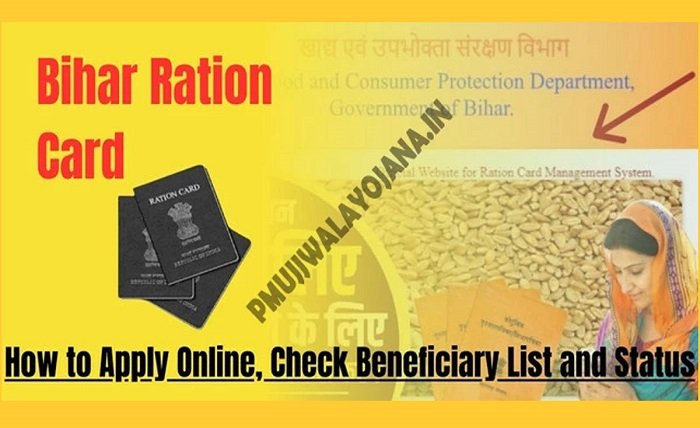
The distribution of Jan Vitran Ann is carried out through Fair Price Shops (FPS) located across villages and cities. These shops act as the main point of contact for beneficiaries to collect their allocated grains. Under Jan Vitran Ann, the process involves proper identification using ration cards or other government-issued documents. Technological solutions like digitized records and biometric verification have enhanced the efficiency and transparency of Jan Vitran Ann, ensuring that food grains reach the intended recipients without leakages.
Benefits of Jan Vitran Ann
Jan Vitran Ann offers multiple benefits, including improved food security, reduction of hunger, and better nutritional outcomes for families. By providing essential grains at subsidized rates, Jan Vitran Ann helps low-income households save money for other necessities. Moreover, the scheme contributes to social stability by reducing the impact of food scarcity in marginalized communities. The availability of Jan Vitran Ann also strengthens public trust in government initiatives aimed at welfare and equality.
Challenges Faced by Jan Vitran Ann
Despite its importance, Jan Vitran Ann faces several challenges that affect its efficiency. Corruption, mismanagement, and lack of proper monitoring in some areas reduce the effectiveness of Jan Vitran Ann. Additionally, logistical difficulties in transporting grains to remote regions can hinder timely delivery. Awareness issues also play a role, as some eligible families may not know about their entitlements under Jan Vitran Ann. Addressing these challenges is essential to enhance the reach and impact of Jan Vitran Ann across the country.
Future of Jan Vitran Ann
The future of Jan Vitran Ann lies in modernization, digitization, and better transparency in distribution. Technological advancements, such as electronic point-of-sale devices and online tracking systems, are expected to improve the efficiency of Jan Vitran Ann. Further, expanding coverage to include more households and increasing awareness campaigns will ensure that Jan Vitran Ann achieves its goal of universal food security. With continuous government support, Jan Vitran Ann can evolve into a more robust and inclusive program benefiting millions across India.
Conclusion
In conclusion, Jan Vitran Ann is a crucial initiative in India’s fight against hunger and malnutrition. By providing essential food grains to eligible families, Jan Vitran Ann ensures food security and supports the socio-economic development of marginalized communities. While challenges exist, the government’s continuous efforts to improve transparency and efficiency in Jan Vitran Ann promise a more effective future. Understanding the importance and benefits of Jan Vitran Ann is key for citizens and policymakers alike.
FAQs
1. What is Jan Vitran Ann?
Jan Vitran Ann is a government scheme that provides essential food grains at subsidized rates to eligible families under the Public Distribution System.
2. Who is eligible for Jan Vitran Ann?
Primarily, families below the poverty line, senior citizens, pregnant women, and children are eligible to receive Jan Vitran Ann benefits.
3. How can one get Jan Vitran Ann?
Beneficiaries can access Jan Vitran Ann through local Fair Price Shops (FPS) using their ration cards or government-issued identification.
4. What are the benefits of Jan Vitran Ann?
Jan Vitran Ann ensures food security, reduces hunger, improves nutrition, and supports economically weaker households.
5. Are there challenges in Jan Vitran Ann distribution?
Yes, Jan Vitran Ann faces challenges like logistical issues, corruption, lack of awareness, and mismanagement, which authorities are working to overcome.