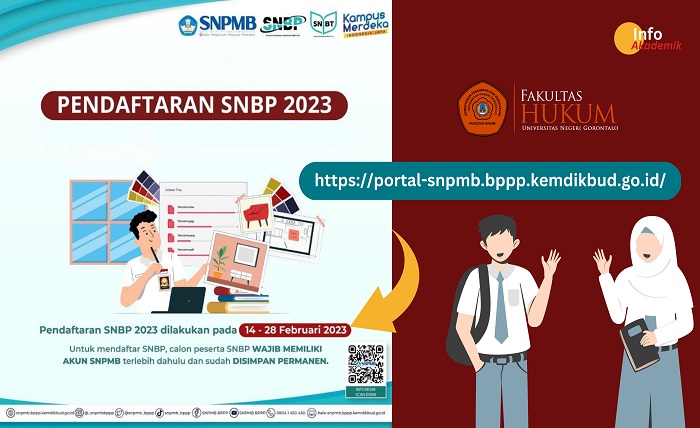
The term SNPMB BPPP refers to the centralized system used in Indonesia’s higher education admissions process under the Seleksi Nasional Penerimaan Mahasiswa Baru (SNPMB). SNPMB BPPP plays a crucial role in organizing, regulating, and supervising the national student admission pathways for public universities (PTN). Every year, thousands of students depend on SNPMB BPPP to access transparent, merit-based, and structured entry into higher education.
SNPMB BPPP ensures that the admission process for public universities runs fairly and efficiently. Under SNPMB BPPP, there are multiple pathways such as SNBP (achievement-based selection) and SNBT (test-based selection). Through SNPMB BPPP, the government standardizes evaluation methods, eligibility requirements, and quota systems, allowing equal opportunity across provinces and educational backgrounds.
For students aiming to enter top public universities, understanding SNPMB BPPP is essential. Without knowing how SNPMB BPPP works, applicants risk missing deadlines, misunderstanding eligibility criteria, or making incorrect program choices. Therefore, SNPMB BPPP is not just a registration system—it is the foundation of the national university admission framework.
The Structure and Pathways Under SNPMB BPPP
SNPMB BPPP operates through structured admission pathways to accommodate different student strengths. The two main national pathways managed by SNPMB BPPP are SNBP and SNBT. Each pathway under SNPMB BPPP is designed to assess candidates using different criteria.
SNBP (Seleksi Nasional Berdasarkan Prestasi)
Under SNPMB BPPP, SNBP focuses on academic performance and achievements during high school. Students are evaluated based on report card grades, academic consistency, and achievements in competitions. Schools play a significant role in SNPMB BPPP’s SNBP pathway because they must verify student data and ranking.
SNBT (Seleksi Nasional Berdasarkan Tes)
Another pathway under SNPMB BPPP is SNBT, which is based on UTBK (computer-based testing). In SNPMB BPPP’s SNBT pathway, students take standardized tests that measure scholastic aptitude, reasoning, and literacy. This pathway ensures that students from various academic backgrounds can compete fairly under SNPMB BPPP.
Both pathways under SNPMB BPPP aim to balance merit, fairness, and national education goals. By offering more than one route, SNPMB BPPP provides flexibility for students with different strengths.
Registration Process in SNPMB BPPP
The registration process in SNPMB BPPP follows a strict timeline and digital submission procedure. Every applicant must create an account through the official SNPMB BPPP portal before proceeding to application steps. Without proper registration in SNPMB BPPP, students cannot participate in either SNBP or SNBT.
The first step in SNPMB BPPP registration is account creation using a valid National Student Identification Number (NISN) and National Identification Number (NIK). After creating an account in SNPMB BPPP, students must verify personal data and upload required documents.
For SNBP under SNPMB BPPP, schools input academic records, and students confirm their chosen study programs. Meanwhile, for SNBT in SNPMB BPPP, students register for UTBK, pay the required fee (if applicable), and select test centers.
Timely registration is critical in SNPMB BPPP because late submissions are not accepted. Every stage in SNPMB BPPP has clear deadlines, including account creation, data verification, program selection, and final confirmation.
Requirements and Eligibility Criteria in SNPMB BPPP
To participate in SNPMB BPPP, students must meet specific academic and administrative requirements. SNPMB BPPP eligibility criteria vary slightly between SNBP and SNBT but generally include active high school status or recent graduation.
In SNPMB BPPP’s SNBP pathway, schools must be accredited, and students must be among the eligible ranking quota determined by SNPMB BPPP policies. The ranking percentage depends on school accreditation level, which is regulated through SNPMB BPPP guidelines.
For SNBT under SNPMB BPPP, candidates must complete high school education within the permitted graduation year range. SNPMB BPPP also requires valid identification, accurate academic data, and compliance with subject requirements related to chosen study programs.
Understanding eligibility under SNPMB BPPP is vital. Incorrect information or ineligibility under SNPMB BPPP can lead to automatic disqualification. Therefore, students must carefully review the official SNPMB BPPP requirements before applying.
Important Dates and Timeline for SNPMB BPPP
The SNPMB BPPP process follows an annual timeline announced officially before the admission cycle begins. Students planning to apply through SNPMB BPPP must monitor announcements closely to avoid missing critical deadlines.
Generally, SNPMB BPPP begins with school data verification, followed by student account registration. The SNBP selection under SNPMB BPPP usually takes place earlier than SNBT. After SNBP results are announced through SNPMB BPPP, students who are not accepted may proceed to SNBT.
The SNBT stage in SNPMB BPPP includes UTBK registration, payment confirmation, test scheduling, and result announcements. All result notifications are published officially within the SNPMB BPPP system.
Being aware of the SNPMB BPPP timeline allows students to prepare documents, study for tests, and strategically choose study programs. Since SNPMB BPPP deadlines are strict, proactive planning is essential.
Strategies to Succeed in SNPMB BPPP
Success in SNPMB BPPP requires preparation, strategic program selection, and strong academic performance. Since SNPMB BPPP is competitive, students must understand both their strengths and university competition levels.
For SNBP in SNPMB BPPP, students should maintain consistent academic performance throughout high school. Achievements in academic competitions can strengthen applications under SNPMB BPPP evaluation criteria.
For SNBT in SNPMB BPPP, preparing for UTBK is crucial. Students should practice reasoning, literacy, and numeracy tests that align with SNPMB BPPP assessment standards. Regular mock tests help familiarize candidates with the SNPMB BPPP testing format.
Choosing the right study program is another critical factor in SNPMB BPPP success. Applicants should consider competitiveness, personal interest, and historical acceptance rates when selecting programs under SNPMB BPPP.
Ultimately, success in SNPMB BPPP comes from preparation, discipline, and accurate decision-making.
Common Mistakes to Avoid in SNPMB BPPP
Many applicants fail in SNPMB BPPP due to preventable mistakes. One common issue in SNPMB BPPP is incorrect data entry. Even small errors in personal identification numbers can cause rejection in SNPMB BPPP.
Another mistake in SNPMB BPPP is poor program selection strategy. Some students choose highly competitive majors without considering their academic performance relative to SNPMB BPPP standards.
Missing deadlines is also a critical error in SNPMB BPPP. Since the system automatically closes after the deadline, SNPMB BPPP does not allow late submissions.
Lack of preparation for UTBK under SNPMB BPPP also reduces chances of success. Students who underestimate the SNPMB BPPP testing standards often struggle during the examination.
Avoiding these mistakes can significantly increase acceptance chances within the SNPMB BPPP framework.
Documents Needed for SNPMB BPPP Application
Applicants must prepare several documents for SNPMB BPPP registration. These documents ensure verification and eligibility within the SNPMB BPPP system.
Common documents required in SNPMB BPPP include:
-
National Student Identification Number (NISN)
-
National Identification Number (NIK)
-
Family Card (KK)
-
School report card records
-
Recent photo
-
Graduation certificate (for SNBT participants)
Each document uploaded to SNPMB BPPP must match official records. Any discrepancy within SNPMB BPPP data verification can result in rejection.
Students should prepare digital copies in the correct format specified by SNPMB BPPP guidelines to ensure smooth submission.
Conclusion
In conclusion, SNPMB BPPP serves as the backbone of Indonesia’s public university admission system. Through structured pathways such as SNBP and SNBT, SNPMB BPPP ensures fair, transparent, and merit-based selection for higher education access.
Understanding SNPMB BPPP registration procedures, eligibility criteria, timelines, and preparation strategies significantly increases a student’s chance of success. Since SNPMB BPPP is competitive and deadline-driven, careful planning and discipline are essential.
By avoiding common mistakes and preparing required documents early, applicants can navigate SNPMB BPPP confidently. Ultimately, SNPMB BPPP represents an opportunity for students to achieve their academic dreams through structured national selection.
FAQs
1. What does SNPMB BPPP stand for?
SNPMB BPPP refers to the body responsible for managing the national student admission process for public universities in Indonesia.
2. Is SNPMB BPPP mandatory for public university admission?
Yes, SNPMB BPPP manages the official national pathways (SNBP and SNBT) for entry into public universities.
3. Can I apply to both SNBP and SNBT under SNPMB BPPP?
Yes, students may participate in SNPMB BPPP’s SNBP and SNBT pathways if they meet eligibility criteria.
4. What happens if I miss the SNPMB BPPP deadline?
If you miss the deadline, SNPMB BPPP does not allow late submissions, and you must wait for the next admission cycle.
5. How can I increase my chances in SNPMB BPPP?
To succeed in SNPMB BPPP, maintain strong academic performance, prepare thoroughly for UTBK, choose study programs strategically, and follow all official guidelines carefully.